EDITORIAL FROM EDITER DESK
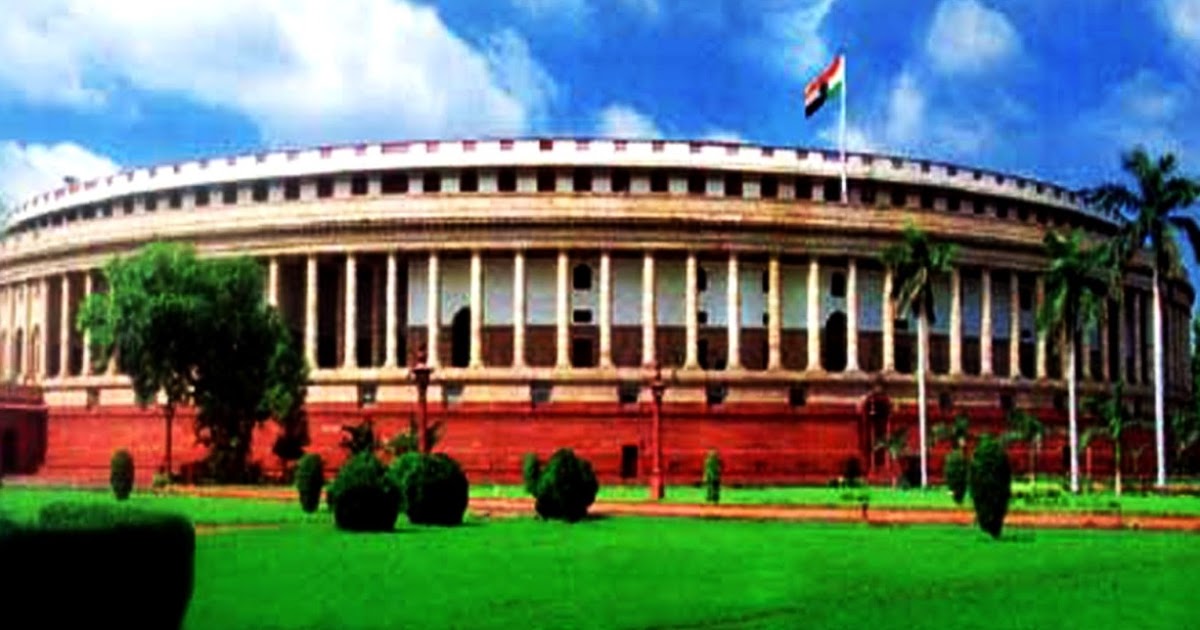
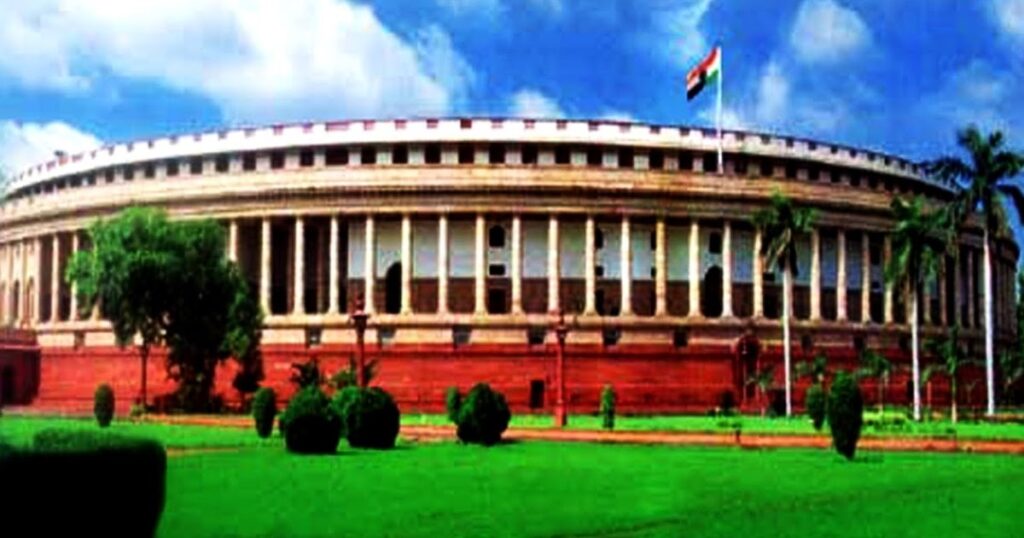
The Rajya Sabha, India’s Upper House, of the parliament has increasingly been criticized as a “back door entry” into politics, where leaders who fail to win popular mandates often find themselves accommodated through party maneuvering. This practice raises questions about democratic accountability and the original intent behind the chamber’s creation.
In India’s parliamentary democracy, the Rajya Sabha was envisioned as a chamber of sober second thought—an institution meant to provide continuity, expertise, and federal balance. Its framers believed that not all governance should be subject to the unpredictable tides of electoral politics; the Upper House would instead offer measured deliberation, protection of state interests, and space for specialists who might never contest elections but could enrich national policy. Yet, over the decades, the Rajya Sabha has increasingly acquired a less flattering reputation: that of a “back-door entry” into Indian politics. The idea that defeated leaders, party loyalists, or wealthy donors can enter Parliament without facing the electorate has sparked debate about the democratic legitimacy of the Upper House.
🏛️ Origins and Purpose of the Rajya Sabha
The Rajya Sabha was envisioned as the Council of States, a body meant to represent federal interests and act as a check on the directly elected Lok Sabha. Its design was inspired by bicameral legislatures worldwide, ensuring continuity, expertise, and deliberation beyond the populist impulses of the lower house. Members are elected indirectly by state legislatures, reflecting the federal character of India’s democracy.
⚖️ The “Back Door Entry” Phenomenon
- Over time, the Rajya Sabha has become a political refuge for leaders who cannot secure Lok Sabha seats. Parties nominate them from states where they have legislative strength, regardless of the nominee’s connection to that state. Examples include former Prime Minister Manmohan Singh, who represented Assam despite having no local political base, and BJP leaders like Venkaiah Naidu, sent to Rajasthan despite being from Andhra Pradesh.
- Business magnates and celebrities have also entered through this route, raising concerns about patronage and influence rather than genuine representation.
Implications for Democracy
- Erosion of accountability: Rajya Sabha members do not face direct electoral scrutiny, yet many hold ministerial positions.
- Weakening federal spirit: When leaders are parachuted into states with which they have little connection, the chamber’s role as a voice of states is diluted.
- Party dominance: Candidate selection often reflects party calculations rather than democratic ideals, turning the Rajya Sabha into a tool for political convenience.
Criticism and Debate
- Critics argue that the Rajya Sabha has become a parking lot for defeated politicians, undermining the principle of popular mandate.
- Supporters counter that it provides space for experienced administrators, intellectuals, and specialists who may not thrive in mass politics but enrich parliamentary debate.
- The tension lies between expertise vs. legitimacy—whether governance should prioritize knowledge or direct electoral approval.
✍️ Editorial Stand
The Rajya Sabha was conceived as a guardian of federalism and a forum for sober second thought. Yet, its misuse as a back door entry undermines democratic credibility. If the chamber is to retain relevance, reforms are needed:
- Stricter norms linking candidates to the states they represent.
- Greater transparency in nominations.
- A reassertion of its role as a deliberative body, not a political shelter.
Without such measures, the Rajya Sabha risks being seen less as the “Upper House” and more as a political waiting room, eroding faith in India’s parliamentary democracy.
The Rise of Non-Electoral Pathways
A key point of criticism stems from the nomination or election of individuals who have recently lost Lok Sabha polls. When political parties re-introduce such leaders into Parliament through the Rajya Sabha, it raises an uncomfortable question: Is the will of the voters being bypassed?
While the Constitution does not bar such appointments, the practice arguably dilutes the moral authority of electoral verdicts.
Equally debated is the trend of business magnates and influential patrons finding seats through political patronage. Their entry often fuels the perception that the Rajya Sabha has become a sanctuary where influence and connections outweigh public mandate.
Federal Intent vs. Political Usage
It is important to remember that the Rajya Sabha’s mandate is not to mirror the Lok Sabha. It exists to represent states, ensuring that national legislation reflects federal principles. In theory, members need not be mass leaders; they could be domain experts—economists, legal scholars, educators—whose value lies in knowledge rather than electoral popularity.
However, the gap between principle and practice has widened. Parties often treat Rajya Sabha seats as instruments of political strategy rather than vehicles of expertise. This weakens the chamber’s purpose and fuels public skepticism.
A Necessary Institution, But in Need of Reform
To call the Rajya Sabha merely a “back-door entry” would be an oversimplification. It remains an essential part of India’s parliamentary architecture:
- It checks majoritarian impulses.
- It provides continuity when the Lok Sabha dissolves.
- It accommodates voices that may not win elections but enrich debate.
But reforms are overdue. Strengthening residency requirements, increasing transparency in nominations, limiting the entry of recently defeated candidates, and prioritizing experts over political loyalists can restore dignity and purpose to the Upper House.
The Way Forward
The Rajya Sabha must not be dismantled; it must be revitalized. Democracy is not weakened by a bicameral system—rather, it is strengthened when both chambers perform their distinct roles with integrity. The problem lies not in the institution, but in its political misuse. Ultimately, the question is not whether the Rajya Sabha is a back-door entry, but whether political parties will choose to use its doors responsibly. India deserves an Upper House that reflects wisdom and balance—not convenience. NEERAJ GAUR.