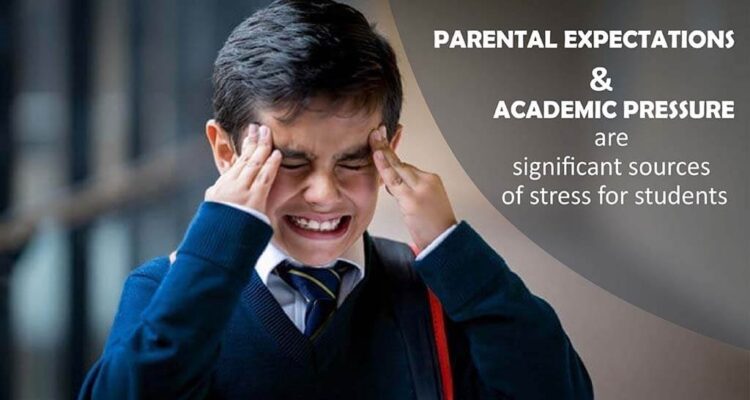
The pursuit of education in India is often described as a high-stakes gamble, a relentless marathon where the finish line is not just a degree, but a guaranteed, prestigious career. This intense environment creates a crushing weight of academic pressure that is borne not only by the students but, increasingly, by their parents as well. This article explores the root causes, profound effects, and potential paths forward from this deeply ingrained cultural crisis. The Roots of Relentless Pressure The academic pressure in India stems from a complex interplay of economic reality, cultural tradition, and a hyper-competitive educational ecosystem. For generations, education has been seen as the primary—and often only—reliable path to upward social mobility. With a massive population competing for a limited number of high-paying jobs and seats in elite institutions (like the IITs, AIIMS, or civil services), the competition is fierce.
- Limited “Acceptable” Careers: The cultural preference for careers in Engineering, Medicine, or Civil Services is overwhelming. These fields are viewed as the most secure, respectable, and financially rewarding, sidelining emerging or creative career paths.
- The “All-India Rank” Syndrome: The focus on competitive entrance exams (JEE, NEET, UPSC) puts students in a do-or-die scenario where their entire future seems to hinge on a single test score. This fuels the growth of a parallel coaching center industry, which demands long hours and adds to the academic burden.
Parental Aspirations and Social Status Parents, particularly those from socio-economic backgrounds where higher education was a struggle to attain, often project their unfulfilled ambitions onto their children.
- Achievement as Reflection: A child’s academic success is often perceived as a direct reflection of the parents’ effort and social standing. This leads to intense comparison with peers and relatives, where a student’s marks become a matter of family pride or shame.
- Unrealistic Expectations: Many parents set unattainable goals (e.g., 95%+ in board exams) that are not aligned with their child’s interests or innate abilities. This belief system, often rooted in love and a desire for their child’s best future, ironically becomes the primary source of their child’s distress.
The Toll on Students: A Mental Health Crisis
The relentless pressure takes a severe psychological toll on students, leading to alarming mental health outcomes.
- Anxiety and Depression: Chronic stress from heavy workloads, long study hours, and the constant fear of disappointing their parents can lead to anxiety, panic attacks, and clinical depression. Studies indicate a significant percentage of Indian adolescents suffer from these issues due to academic stress.
- Fear of Failure and Self-Doubt: When love and approval become conditional on high achievement, students develop an intense fear of failure. This can manifest as low self-esteem, self-doubt, and a constant feeling of inadequacy, preventing them from taking healthy risks or exploring their passions.
- The Suicidal Toll: Tragically, academic pressure is a significant contributing factor to student suicides in India. According to the National Crime Records Bureau (NCRB), thousands of students die by suicide every year, with failure in examinations being a major trigger.
The Hidden Burden on Parents
While the student’s distress is visible, the parents are often under immense, albeit self-imposed, pressure as well.
- Financial Stress: The cost of quality schooling, private tutoring, and extensive coaching for competitive exams is substantial, placing a huge financial strain on families.
- Emotional Investment: Parents invest decades of emotional energy into their child’s academic journey. Their own well-being can become intricately linked to their child’s performance, leading to anxiety and distress every time their child struggles.
- Social Isolation: Some parents isolate themselves socially, dedicating their time entirely to monitoring their child’s studies, inadvertently creating a high-stress environment at home that lacks fun and relaxation.
A Path Towards a Healthier System
Shifting this deeply entrenched culture requires multi-level intervention involving policy, schools, and families.
- Prioritize Holistic Learning: The education system must move away from a rote-memorization and test-score-centric model towards one that encourages critical thinking, creativity, and skill-based learning.
- Redefining Success for Parents: Parents need to be educated and counseled to set realistic expectations, focusing on effort, progress, and the child’s overall well-being rather than just the outcome. Open communication, where a child feels safe to discuss their fears and failures without judgment, is paramount.
- Embrace Alternative Careers: Society needs to celebrate success in non-traditional fields (e.g., arts, sports, vocational skills, design). This broadens the definition of success and reduces the intense competition for the few “prestigious” seats.
- Mandatory Mental Health Support: Schools and coaching centers must integrate accessible, non-stigmatizing counseling and mental health resources. Students should be taught coping skills and resilience to handle setbacks and failure as part of life’s learning curve.
Ultimately, the goal is to transform the educational journey from a punishing race for survival into a joyful process of self-discovery and intellectual growth for the student, supported by parents who are their confident guides, not their demanding taskmasters.




So True…
The crisis is real. The silence shouldn’t be.
thanks